
Premium Indonesia Coffee Bean Supplier for Global Markets: A Comprehensive B2B Sourcing Guide The global coffee landscape in 2026 is witnessing a significant shift toward transparency, sustainability, and origin-specific sourcing. For international B2B buyers, finding a reliable indonesia coffee bean supplier is no longer just about price—it is about securing a resilient supply chain that […]
Tag Archives: coffee export quality
Coffee Export Quality Standards
Maintaining high coffee export quality is essential in international coffee trade. Coffee roasters, importers, and distributors rely on consistent quality standards to ensure that green coffee beans meet global market expectations. Export-quality coffee must pass strict inspection processes that evaluate moisture content, defect levels, bean size, and overall cup profile before shipment.
International buyers searching for a reliable Indonesia coffee exporter often prioritize suppliers that follow strict quality control procedures and internationally recognized grading systems. These standards help guarantee that coffee beans maintain their flavor characteristics and physical integrity during global transportation.
By implementing standardized grading procedures and professional quality inspection, exporters can provide traceable and consistent coffee beans for international markets.
Understanding Coffee Export Quality Standards
Export-quality coffee is evaluated using several technical indicators that determine whether coffee beans meet international trade requirements. These indicators help buyers assess the overall condition and flavor potential of the beans.
The most important quality factors include moisture content, defect count, bean size, aroma, and cup characteristics. Maintaining proper levels in each of these areas is essential for producing coffee that can be safely exported and roasted with consistent results.
In general, export-grade coffee beans maintain moisture levels between 10 and 12 percent. This range helps preserve the freshness of the beans and prevents mold development during storage and transportation.
Indonesian Coffee Grading System
Indonesia applies a coffee grading system based primarily on the number of defects present in a coffee sample. This evaluation method helps determine the export grade of coffee beans and ensures that buyers receive coffee that meets expected quality levels.
The grading process typically analyzes a sample of green coffee beans and calculates the total defect value. Coffee beans with fewer defects receive higher grades and are often preferred for specialty or premium coffee markets.
Indonesian coffee is generally categorized into several grades, ranging from Grade 1 to Grade 6. Grade 1 coffee represents the highest quality with minimal defects, while lower grades may contain more imperfections but can still be used in commercial coffee production.
Key Factors That Determine Coffee Export Quality
Moisture Content
Proper moisture levels are essential for preserving coffee quality during international shipping. Excess moisture can cause mold growth or fermentation defects that negatively affect flavor and aroma.
Maintaining moisture levels within the optimal range ensures that coffee beans remain stable during long-distance transportation and storage.
Bean Size and Screen Grading
Coffee beans are also sorted by size using screen grading systems. Larger and more uniform beans generally roast more evenly and are often associated with higher-quality coffee products.
Defect Count
Defect analysis evaluates the number of damaged or imperfect beans within a sample. Common defects include broken beans, insect damage, black beans, and foreign materials. The total defect count determines the final export grade of the coffee.
Cup Quality Evaluation
Beyond physical inspection, coffee exporters perform cupping evaluations to assess flavor characteristics such as aroma, acidity, body, sweetness, and aftertaste. These sensory tests help confirm that the coffee meets the expectations of international buyers.
Quality Control in Coffee Export
Professional coffee exporters apply multiple quality control procedures throughout the supply chain to maintain consistent coffee standards. These procedures begin at the farm level and continue through processing, grading, packaging, and export preparation.
Typical quality control procedures include:
- sorting and grading of green coffee beans
- moisture content testing
- defect inspection
- cupping and flavor evaluation
- export packaging inspection
International buyers looking for a trusted Indonesian coffee beans supplier usually prefer exporters who implement strict quality management systems and transparent sourcing practices.
Green Coffee Beans for International Markets
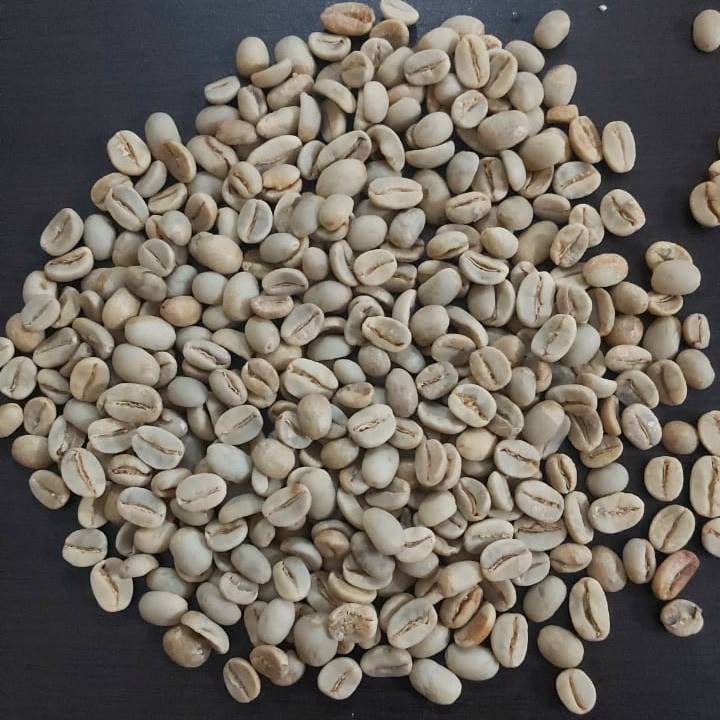
Most international coffee trade focuses on the shipment of green coffee beans Indonesia, which are unroasted beans exported in bulk quantities. These beans allow roasters to create their own roasting profiles and maintain full control over the final flavor characteristics.
Export shipments commonly use durable packaging such as 60 kilogram jute bags combined with protective liners to protect the beans from moisture and contamination during transportation.
Bulk shipments are typically handled by experienced exporters that operate as a wholesale coffee beans supplier for global coffee markets.
Ensuring Consistent Coffee Quality for Global Buyers
Reliable quality standards are critical for maintaining long-term partnerships between coffee exporters and international buyers. By applying strict grading systems, professional inspection procedures, and proper export packaging, coffee suppliers can consistently deliver beans that meet global market expectations.
For coffee roasters, importers, and distributors, working with an experienced Indonesia coffee exporter helps ensure consistent supply, traceable sourcing, and high-quality coffee beans suitable for specialty and commercial coffee production.